Chapter Nine Review
In This Lesson
This 90-second module introduces what Albert Einstein reportedly called "the eighth wonder of the world", compound interest. Dale uses his snowball-down-a-mountain metaphor: start with snow at the top, ball it up, roll it down, and it gets bigger until it's the size of a house at the bottom. It's growing on top of the growth, and that's compound interest.
Dale breaks it down mathematically: invest $1,000, it grows 10% to $1,100 (gaining $100). Next year it grows 10% again, but now on $1,100, not $1,000, so you gain $110. Each year the growth multiplies faster.
The critical message: start early. The earlier students begin, the more time compound interest has to work its exponential magic. "It's not magic, it's math, and it favors those who start now." This is why the first paycheck decision matters, every year of delay costs exponentially more. The two discussion questions force reality: would they rather be "Young and Smart" (invested nine years early then stopped) or "Young and Dumb" (waited nine years then invested 35 years)? "Young and Smart" ends up with the same amount despite far less money invested. Second: "What's one step you can take this month?" Your role is helping students identify concrete actions, opening accounts, depositing birthday money, setting up transfers. Use Accountability Partners to commit to specific actions with deadlines.
-
Key Illustrations Referenced:
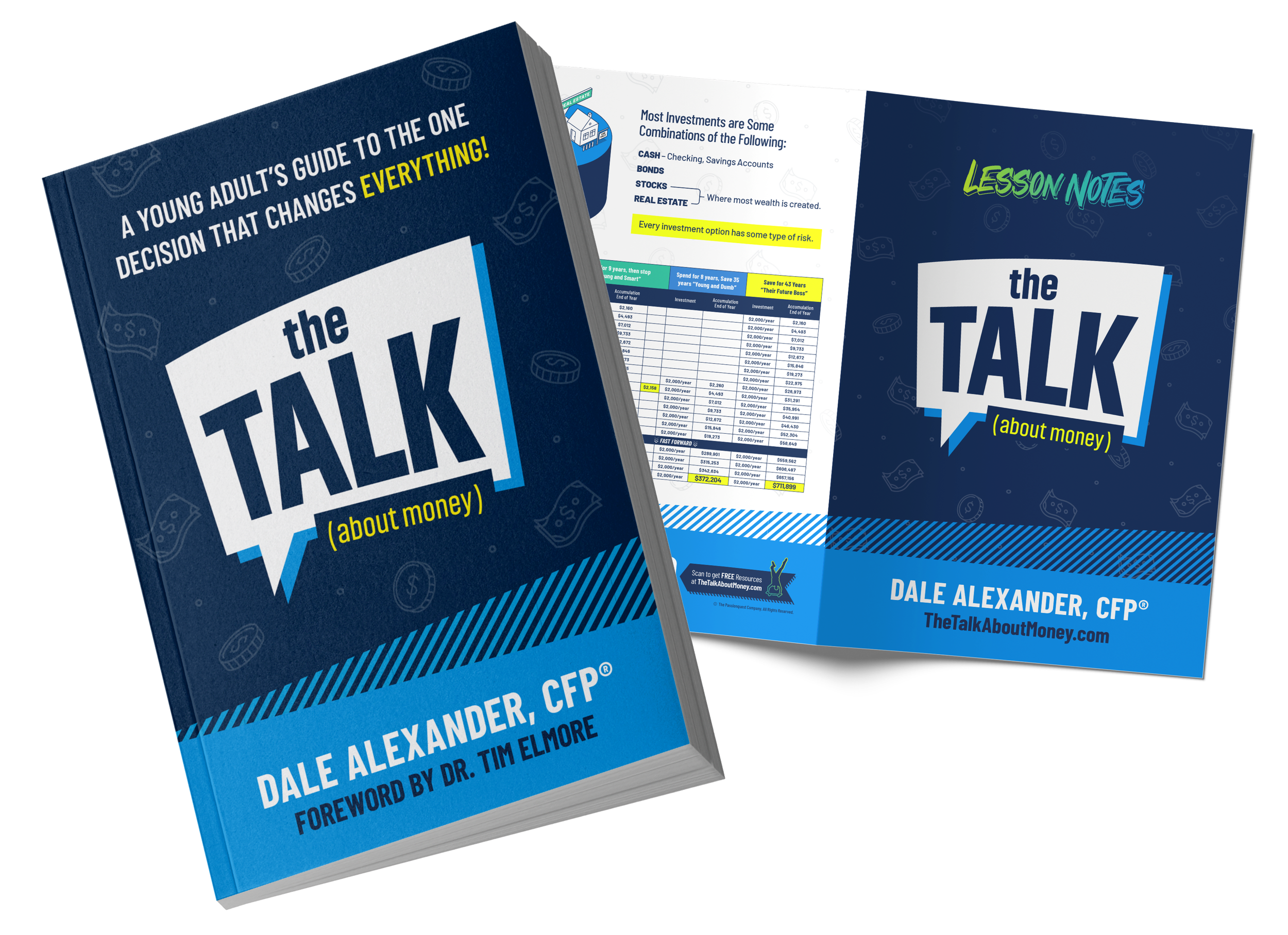
Fig. 8: "The Magic of Compound Interest" (showing three employees: "Young and Smart," "Young and Dumb," and "Future Boss")
Action Items:
Show Fig. 8 comparing three employees at age 22 saving $2,000/year:
"Young and Smart": saves 9 years (ages 22-30), then stops = ends with substantial amount
"Young and Dumb": waits 8 years, then saves 35 years (ages 31-65) = ends with same amount as "Young and Smart" despite saving much more total
"Future Boss": saves 43 years (ages 22-65) = doubles what the other two have
Ask: "Would you rather be 'Young and Smart' or 'Young and Dumb'? Why?"
Challenge: "What's one step you can take this month to start the compounding effect?" (open Fidelity account, deposit $20, set up automatic transfer, research mutual funds on thetalkaboutmoney.com)
Have AP pairs commit to specific action with specific deadline
Notes:
John Maxwell quote: "You can PAY NOW and PLAY LATER. Or you can PLAY NOW and PAY LATER. And when you PAY LATER, the price is always greater."
By year 35, the growth on "Young and Smart's" account ($2,158) is MORE than the $2,000 "Young and Dumb" has to manually save, the growth is making the payment for them
"Future Boss" is who your students will be, they'll own the company the other two work for
The students who take action this month, even with tiny amounts, will likely become wealthy, generous leaders; those who wait will likely wait forever.