Chapter Six Review
In This Lesson
This 2-minute module answers the practical question: what exactly do students do with the 20% they're saving and investing? Dale makes a crucial distinction many adults don't understand, the difference between saving and investing.
Saving is for short-term emergencies, kept in accessible accounts. This emergency fund separates your students from "normal people" who get trapped loading up credit cards. Investing is for the long term, money students won't touch for years, placed in stocks and real estate. Dale is preparing students for actual financial decisions they'll make within weeks or months.
Dale demystifies investing: "You don't need to be a Wall Street genius. That's what mutual funds are for”, he explains using his "bucket" metaphor. The final challenge is direct: "Will you open a mutual fund with your ‘$20 Grandma birthday money’?" Your role here is critical, don't let this become theoretical. Help students commit to taking the actual step, even with tiny amounts. The goal isn't the money; it's establishing the identity and habit of being an
-
Key Illustrations Referenced:
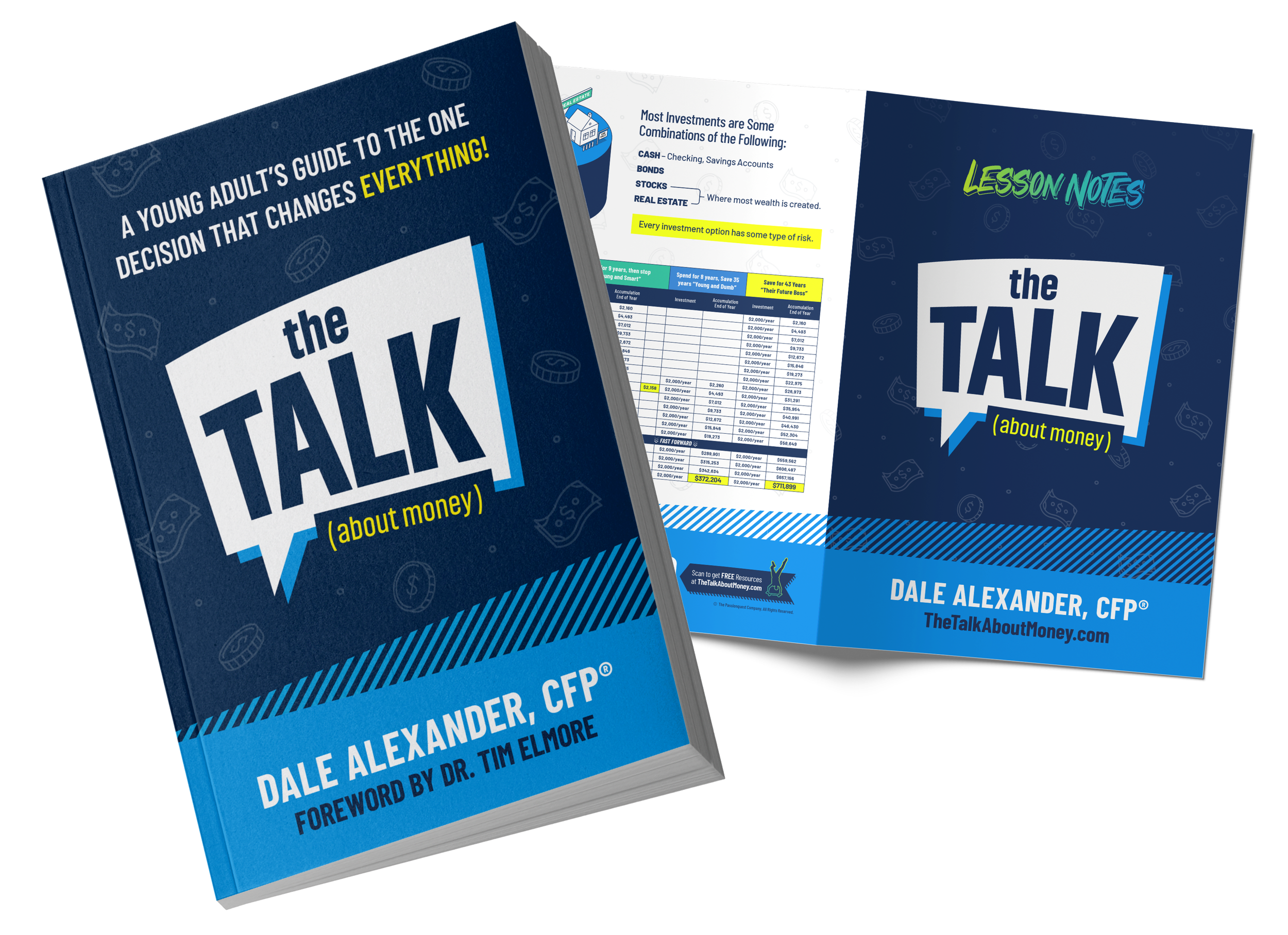
Fig. 4: "Investment Mix" (showing the four main places to put money: cash, bonds, stocks, real estate)
Fig. 5: "What is a Mutual Fund?" (the bucket metaphor illustrating diversification)
Action Items:
Review the four main places to put money: cash (short-term/emergencies), bonds (loan), stocks (own), real estate (leverage example)
Explain the mutual fund "bucket" concept using Fig. 5
Discuss leverage using Dale's example: $10,000 down payment on $100,000 house = growth on full value
Challenge students: "Will you open a mutual fund with your ‘$20 Grandma birthday money’?"
Direct students to TheTalkAboutMoney.com for the "Get Started Guide" with instructions for opening their own mutual fund accounts
Notes:
Mutual funds provide diversification across hundreds of stocks with small dollar amounts
Students don't need to pick individual stocks, that's what the mutual fund managers do
Even $20 invested establishes the identity: "I am an investor"
Chapter 6 in the book provides detailed explanation of cash, bonds, stocks, real estate, and mutual funds